Avoid These 6 Foods That May Harm Your Thyroid Health, Experts Warn
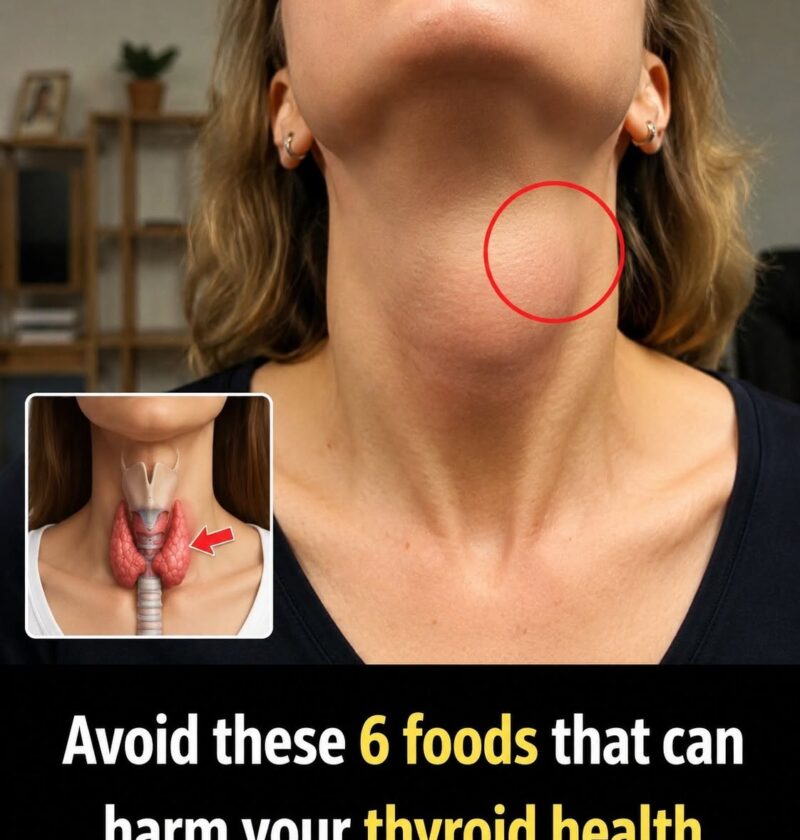
The thyroid is a small, butterfly-shaped gland located at the front of your neck. Despite its size, it plays a crucial role in regulating your metabolism, body temperature, heart rate, energy production, digestion, and overall hormonal balance. It produces two primary hormones—thyroxine (T4) and triiodothyronine (T3)—which influence nearly every organ in the body.
When the thyroid does not function properly, it can lead to conditions such as:
- Hypothyroidism (underactive thyroid): The gland produces too little thyroid hormone, causing fatigue, weight gain, constipation, depression, dry skin, and sensitivity to cold.
- Hyperthyroidism (overactive thyroid): The gland produces too much hormone, leading to rapid heartbeat, weight loss, anxiety, excessive sweating, tremors, and heat intolerance.
Nutrition plays an important role in supporting thyroid health. While very few foods directly damage a healthy thyroid, certain foods may interfere with thyroid hormone production, iodine absorption, or thyroid medication—especially in people with existing thyroid disorders.
Below are six categories of foods that experts commonly advise people with thyroid conditions to consume carefully.
1. Excessive Soy Products
Why it may be a concern
Soy contains natural compounds called isoflavones, which may reduce the activity of thyroid peroxidase, an enzyme required to produce thyroid hormones. Soy can also decrease the absorption of thyroid medication if consumed too close to taking it.
This does not mean soy is harmful for everyone.
People with adequate iodine intake and a healthy thyroid usually tolerate moderate soy consumption without problems.
Foods that contain soy
- Soybeans
- Tofu
- Tempeh
- Soy milk
- Soy yogurt
- Edamame
- Soy protein powders
- Soy-based meat alternatives
Recommendations
- If taking thyroid medication (such as levothyroxine), wait at least 4 hours before consuming large amounts of soy.
- Consume soy in moderation.
- Ensure adequate iodine intake.
2. Cruciferous Vegetables (When Eaten Excessively Raw)
These vegetables are incredibly nutritious but contain compounds called glucosinolates, which can form goitrogens.
Goitrogens may interfere with iodine utilization in the thyroid.
Examples
- Broccoli
- Cauliflower
- Cabbage
- Kale
- Brussels sprouts
- Bok choy
- Turnips
- Radishes
Important clarification
These vegetables are not unhealthy.
In fact, they provide:
- Vitamin C
- Vitamin K
- Fiber
- Folate
- Powerful antioxidants
- Cancer-protective compounds
Problems generally arise only when:
- They are eaten in very large amounts.
- They are consumed raw every day.
- Iodine intake is inadequate.
- The person already has hypothyroidism.
Cooking significantly reduces their goitrogenic activity.
Better approach
- Steam them.
- Roast them.
- Stir-fry them.
- Boil them lightly.
3. Highly Processed Foods
Processed foods are often high in:
- Sodium
- Sugar
- Refined carbohydrates
- Unhealthy fats
- Artificial additives
People with hypothyroidism often have a slower metabolism, making excessive processed foods more likely to contribute to:
- Weight gain
- High cholesterol
- Insulin resistance
- Inflammation
- Heart disease risk
Examples
- Chips
- Instant noodles
- Packaged pastries
- Fast food
- Sugary cereals
- Frozen fried foods
- Candy
- Sweetened beverages
Choose whole foods whenever possible.
4. Excessive Iodine-Rich Foods or Supplements
Iodine is essential for thyroid hormone production.
However, more is not always better.
Too much iodine may actually worsen thyroid disorders, particularly in people with:
- Autoimmune thyroid disease
- Hashimoto’s thyroiditis
- Graves’ disease
High-iodine foods
- Seaweed
- Kelp
- Kombu
- Wakame
- Nori (contains less iodine than kelp but amounts vary)
- Iodine supplements
What experts recommend
Most people meet their iodine needs through:
- Iodized salt
- Dairy products
- Seafood
- Eggs
Avoid taking high-dose iodine supplements unless recommended by a healthcare professional.
5. Sugary Foods and Refined Carbohydrates
Although sugar does not directly damage the thyroid, excessive intake can worsen symptoms associated with thyroid disorders.
People with hypothyroidism often experience:
- Slower metabolism
- Fatigue
- Weight gain
- Increased risk of insulin resistance
Large amounts of sugar may contribute to:
- Obesity
- Blood sugar spikes
- Chronic inflammation
- Fatty liver disease
- Cardiovascular disease
Foods to limit
- Soda
- Cakes
- Cookies
- Candy
- Doughnuts
- White bread
- Sweet desserts
- Sweetened coffee drinks
Instead, choose:
- Whole fruits
- Nuts
- Seeds
- Whole grains
- Legumes
6. Foods That Interfere with Thyroid Medication
Sometimes the issue is not the food itself but when it is eaten.
Several foods and supplements can reduce the absorption of thyroid medication, especially levothyroxine.
These include
- High-fiber meals
- Calcium supplements
- Iron supplements
- Soy products
- Coffee (when consumed immediately after medication)
Best practice
Take thyroid medication:
- First thing in the morning.
- With plain water.
- On an empty stomach.
- Wait 30–60 minutes before eating breakfast or drinking coffee.
- Separate calcium and iron supplements by at least 4 hours.
Following these timing recommendations helps ensure consistent medication absorption.
Foods That Support Thyroid Health
Rather than focusing only on foods to limit, it’s equally important to include foods that provide nutrients essential for normal thyroid function.
Selenium-rich foods
Selenium helps convert T4 into the active hormone T3 and supports antioxidant defenses in the thyroid.
Sources include:
- Brazil nuts (only 1–2 per day are usually enough due to their high selenium content)
- Tuna
- Sardines
- Eggs
- Turkey
- Chicken
- Sunflower seeds
Zinc-rich foods
Zinc is involved in thyroid hormone production and immune function.
Sources include:
- Beef
- Pumpkin seeds
- Chickpeas
- Lentils
- Oysters
- Cashews
Iron-rich foods
Iron deficiency can impair thyroid hormone synthesis.
Good sources include:
- Lean red meat
- Spinach
- Lentils
- Beans
- Fortified cereals
Pair plant-based iron sources with vitamin C-rich foods (such as citrus fruits or bell peppers) to improve absorption.
Protein
Adequate protein supports metabolism and overall health.
Good options include:
- Fish
- Chicken
- Eggs
- Greek yogurt
- Beans
- Lentils
- Tofu (if appropriate for your dietary pattern and medication timing)
Healthy fats
Healthy fats support overall endocrine function.
Examples include:
- Olive oil
- Avocados
- Nuts
- Seeds
- Fatty fish like salmon and mackerel
Common Myths About Thyroid Diets
Myth: People with thyroid disease should never eat broccoli or cabbage.
Fact: Moderate amounts, especially when cooked, are generally safe and nutritious.
Myth: Everyone with thyroid disease should avoid gluten.
Fact: Gluten avoidance is mainly recommended for people with celiac disease or certain individuals with autoimmune thyroid disease under medical guidance. It is not universally necessary.
Myth: Iodine supplements cure hypothyroidism.
Fact: Most hypothyroidism in iodine-sufficient regions is caused by autoimmune disease, not iodine deficiency. Excess iodine can sometimes make thyroid problems worse.
Myth: Soy causes thyroid disease.
Fact: Current evidence does not show that moderate soy intake causes thyroid disease in healthy people with adequate iodine intake. The main concern is its potential interaction with thyroid medication and very high intake in susceptible individuals.
Lifestyle Tips for Better Thyroid Health
- Eat a balanced diet rich in whole foods.
- Get adequate iodine—but avoid excessive supplementation unless prescribed.
- Include selenium-, zinc-, and iron-rich foods.
- Exercise regularly to support metabolism and cardiovascular health.
- Manage stress through relaxation techniques, as chronic stress can affect overall hormonal balance.
- Get enough sleep, aiming for 7–9 hours per night.
- Take thyroid medication exactly as prescribed and have thyroid function monitored regularly by your healthcare provider.
Key Takeaway
No single food is likely to “harm” your thyroid on its own. For most people, foods such as soy and cruciferous vegetables can be part of a healthy diet when consumed in moderation and prepared appropriately. The bigger concerns are excessive iodine intake, poor dietary quality, and foods or supplements that interfere with thyroid medication. If you have a diagnosed thyroid condition—especially hypothyroidism, hyperthyroidism, or an autoimmune thyroid disease like Hashimoto’s thyroiditis or Graves’ disease—work with your healthcare provider or a registered dietitian to tailor dietary choices to your specific needs.