🥦 Washing Broccoli With Just Water Is Not Enough? Here’s the Right Way to Clean It
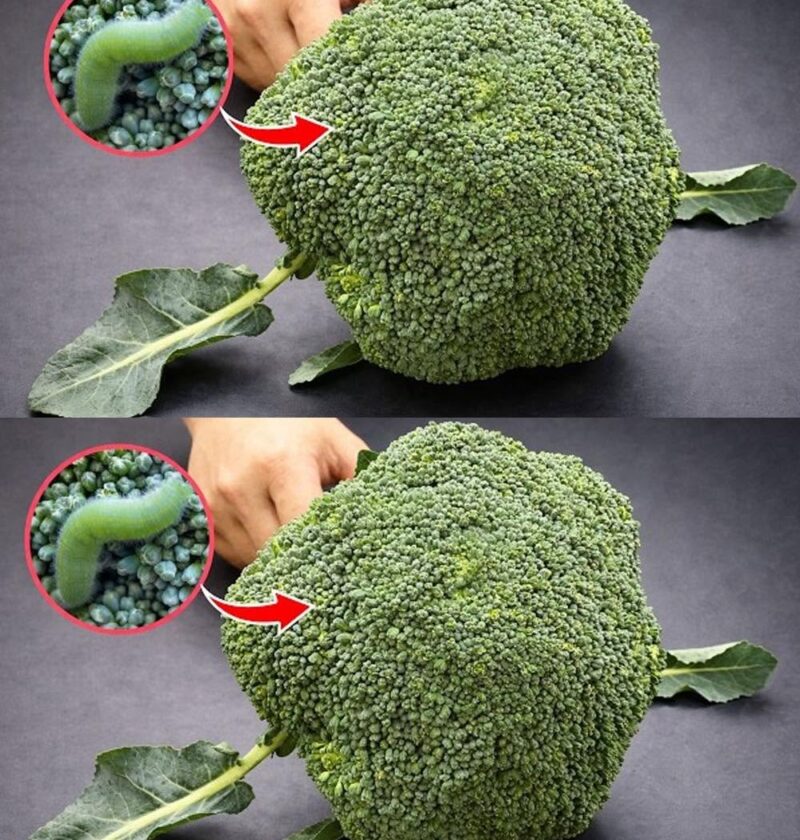
Broccoli can look clean on the outside, but its tight florets can trap:
- Dirt and soil
- Small insects
- Pesticide residues
- Tiny particles
Rinsing under water is helpful, but soaking and cleaning properly can remove more trapped debris.
✅ The Best Way to Wash Broccoli
Step 1: Cut It Into Pieces
- Remove the thick stem if desired.
- Cut broccoli into smaller florets.
- Smaller pieces allow water to reach the hidden areas.
Step 2: Soak in Water
Fill a large bowl with:
- Cold water
- Broccoli florets
Let it soak for 5–10 minutes.
Move the pieces around with your hands so dirt can loosen.
Step 3: Add Vinegar (Optional)
For extra cleaning:
Mix:
- 3 parts water
- 1 part white vinegar
Soak broccoli for about 5 minutes, then rinse well with clean running water.
(Vinegar can help remove some surface dirt and insects, but it does not sterilize vegetables or remove all pesticide residues.)
Step 4: Rinse Thoroughly
After soaking:
✅ Rinse under cool running water
✅ Rub the florets gently
✅ Let excess water drain
🐛 What About Tiny Bugs Inside Broccoli?
Broccoli’s flower-like shape can hide small insects.
A soak in plain water or lightly salted water can encourage insects to come out.
Salt-water method:
- 1 bowl cold water
- 1–2 teaspoons salt
- Soak 5–10 minutes
- Rinse well afterward
❌ Common Mistakes
Avoid:
- Washing broccoli only after cooking
- Using harsh soaps or detergents (not meant for food)
- Leaving broccoli soaking for hours (can affect texture and nutrients)
🥦 Extra Tip for Fresher Broccoli
After washing:
- Dry it well before storing
- Keep it in the refrigerator
- Use a breathable bag or container
Moisture left on broccoli can make it spoil faster.
The Bottom Line
The best routine is: cut → soak → rinse → dry. Plain water rinsing is not “wrong,” but soaking helps remove dirt and hidden debris from broccoli’s tight florets before you cook and eat it. 🥦