8 Hidden Habits That Can Contribute to Body Odor in Older Women
Body odor can affect people of any age, but changes that occur with aging—along with certain daily habits, medications, and health conditions—may influence how a person smells. Fortunately, many causes are manageable with simple lifestyle adjustments and good hygiene.
It’s important to remember that a sudden or significant change in body odor should not be ignored, as it can occasionally signal an underlying medical issue.
1. Not Drinking Enough Water
Staying hydrated helps support many normal body functions. When you’re dehydrated, sweat becomes more concentrated, and dry mouth can also contribute to unpleasant breath.
Aim to drink fluids regularly throughout the day unless your healthcare provider has advised you to limit fluid intake.
2. Wearing the Same Clothes Multiple Times Without Washing
Even if clothing doesn’t appear dirty, sweat, skin oils, and bacteria can build up in fabrics, especially undergarments, bras, socks, and exercise clothing.
Wash clothing according to the care label, and change garments that come into direct contact with your skin after they’ve been worn.
3. Overlooking Skin Folds
Areas where skin touches skin—such as under the breasts, beneath the abdomen, or in the groin—can trap moisture and encourage the growth of bacteria or yeast, leading to odor.
After bathing:
- Dry these areas thoroughly.
- Wear breathable clothing.
- Keep skin as dry as possible, especially in warm weather.
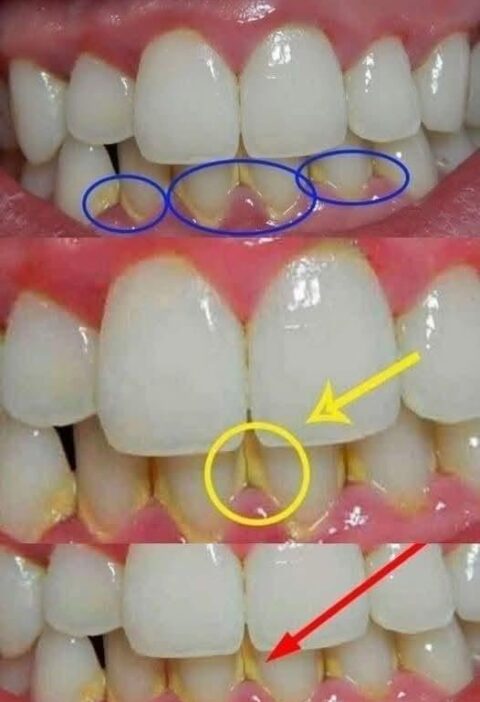
4. Poor Oral Hygiene
Persistent bad breath often starts in the mouth. Food particles, plaque, gum disease, dry mouth, and poorly fitting dentures can all contribute.
Healthy habits include:
- Brushing twice a day with fluoride toothpaste
- Cleaning between teeth daily
- Cleaning dentures as directed
- Scheduling regular dental checkups
5. Choosing Fabrics That Trap Heat and Sweat
Synthetic fabrics may hold onto moisture more than natural, breathable materials.
Cotton, bamboo, and moisture-wicking athletic fabrics can help keep the skin drier, particularly during hot weather or exercise.
6. Skipping Regular Washing of Bedding and Towels
Bed sheets, pillowcases, towels, and washcloths collect sweat, skin cells, and bacteria over time.
As a general guideline:
- Wash towels after several uses or sooner if they remain damp.
- Wash bed linens regularly, or more often if you sweat heavily at night.
7. Ignoring Changes Caused by Medications or Health Conditions
Some medications, supplements, and medical conditions can affect body odor or breath.
Examples include:
- Certain antibiotics
- Some antidepressants
- Diabetes
- Kidney disease
- Liver disease
- Thyroid disorders
- Skin infections
If body odor changes suddenly or is accompanied by other symptoms, discuss it with a healthcare professional rather than trying to cover it up with fragrances.
8. Using Fragrances Instead of Addressing the Cause
Perfumes and body sprays may temporarily mask odors, but they don’t remove bacteria or treat underlying issues.
Regular bathing, clean clothing, and identifying the source of the odor are generally more effective than simply applying more fragrance.
Additional Tips for Staying Fresh
- Bathe regularly using a gentle cleanser.
- Dry your skin well after bathing.
- Use deodorant or antiperspirant if appropriate for you.
- Wear clean, breathable clothing.
- Stay hydrated.
- Eat a balanced diet.
- Manage chronic health conditions with your healthcare provider’s guidance.
- Keep up with routine medical and dental checkups.
When to See a Healthcare Professional
Seek medical advice if you notice:
- A sudden or dramatic change in body odor
- A strong odor that doesn’t improve with good hygiene
- Fever, skin redness, pain, or drainage
- Persistent bad breath despite good oral care
- Night sweats, unexplained weight loss, or other concerning symptoms
These changes can sometimes be related to an underlying condition that requires evaluation.
The Bottom Line
Body odor is influenced by a combination of sweat, skin bacteria, hygiene habits, clothing, diet, medications, and overall health. While aging can bring changes to the skin and sweat glands, unpleasant odors are not an inevitable part of getting older. Paying attention to everyday habits and seeking medical advice when body odor changes unexpectedly can help you stay comfortable, confident, and healthy.