Protect Your Home and Wallet: Unplug These 5 Appliances When You’re Done Using Them
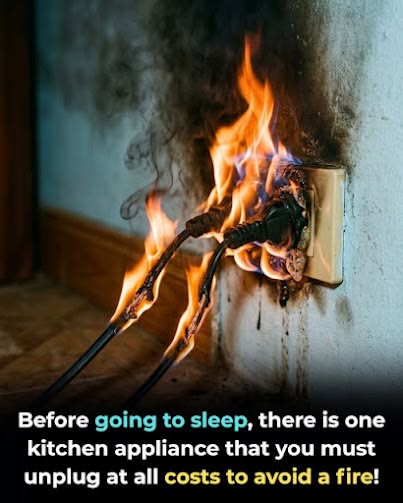
Many household appliances continue to consume electricity even after you’ve switched them off. This is known as standby power or “phantom load.” While the amount of electricity used by a single device may seem small, the combined energy consumption of multiple electronics can increase your electricity bill over time. In some cases, leaving appliances plugged in can also increase the risk of electrical faults during power surges or storms.
Unplugging certain appliances when they’re not in use is a simple habit that can help save energy, extend the life of your electronics, and improve household safety. Here are five appliances you should consider unplugging when you’re finished using them.
1. Toasters
A toaster is one of the most commonly used kitchen appliances, but it’s also one that’s often left plugged in all day.
Although modern toasters are designed with safety features, they can still draw a small amount of standby power. More importantly, crumbs that collect inside the toaster can become a fire hazard if the appliance develops an electrical fault.
Why unplug it?
- Reduces standby electricity use.
- Minimizes the risk of electrical problems.
- Helps protect against power surges.
- Improves kitchen safety.
Extra tip: Empty the crumb tray regularly to reduce the risk of smoke or fire.
2. Coffee Makers
Coffee makers are convenient, but many models include digital clocks, programmable timers, or warming plates that continue to use electricity after brewing.
If left plugged in continuously, these features consume energy throughout the day. Older machines may also become a safety concern if heating elements malfunction.
Benefits of unplugging:
- Saves electricity.
- Prevents unnecessary wear on electronic components.
- Reduces fire risk from faulty heating elements.
- Protects the appliance during lightning storms or power surges.
3. Phone and Laptop Chargers
Many people leave chargers plugged into the wall even when no device is connected.
While modern chargers use relatively little standby electricity, they can still consume a small amount of power. Over time, heat and continuous electrical exposure may also shorten the charger’s lifespan.
Why unplug chargers?
- Eliminates unnecessary energy use.
- Reduces heat buildup.
- Protects against voltage spikes.
- Helps extend charger life.
Replace any charger that becomes unusually hot, frayed, or damaged.
4. Space Heaters
Portable space heaters should always be unplugged after use.
These appliances draw a significant amount of electricity and contain powerful heating elements. If accidentally switched on or if an electrical fault occurs, they can become a serious fire hazard.
Safety reasons to unplug:
- Prevents accidental operation.
- Reduces fire risk.
- Protects against electrical faults.
- Helps avoid overheating.
Never plug a space heater into an extension cord unless the manufacturer specifically states it’s safe to do so.
5. Hair Styling Tools (Hair Dryers, Curling Irons, and Flat Irons)
Hair styling appliances generate very high temperatures. Even after being switched off, they may remain hot for several minutes.
Leaving them plugged in increases the chance of accidental activation or damage caused by electrical surges.
Benefits of unplugging:
- Improves bathroom safety.
- Prevents accidental overheating.
- Reduces electrical hazards near water.
- Extends appliance life.
Allow styling tools to cool completely before storing them away.
Additional Appliances Worth Unplugging
Besides the five listed above, you may also want to unplug:
- Air fryers
- Electric kettles
- Microwaves (if not in regular use)
- Gaming consoles
- Televisions during extended vacations
- Desktop computers
- Printers
- Electric blankets
- Slow cookers after use
These devices may draw standby power or benefit from protection against electrical surges.
How Much Money Can You Save?
Standby power can account for approximately 5% to 10% of a household’s electricity use, depending on the number and type of devices connected. The exact savings from unplugging appliances vary based on electricity rates and how many electronics are left plugged in.
Using a smart power strip can make it easier to cut power to multiple devices at once, especially for entertainment systems or home office equipment.
When You Should Definitely Unplug Appliances
It’s especially important to unplug appliances:
- Before leaving home for several days.
- During severe thunderstorms if practical and safe.
- Before cleaning or maintaining the appliance.
- When an appliance is damaged or malfunctioning.
- If you notice unusual heat, sparks, or burning smells.
Final Thoughts
Unplugging appliances after use is a simple habit that can improve home safety, reduce unnecessary electricity consumption, and help protect your electronics from power surges. While not every device needs to be unplugged after every use, focusing on high-heat appliances, chargers, and electronics that remain in standby mode can make a meaningful difference over time.
Combined with other energy-saving practices—such as using LED lighting, choosing energy-efficient appliances, and turning off lights when leaving a room—this small change can contribute to lower electricity bills and a safer home.