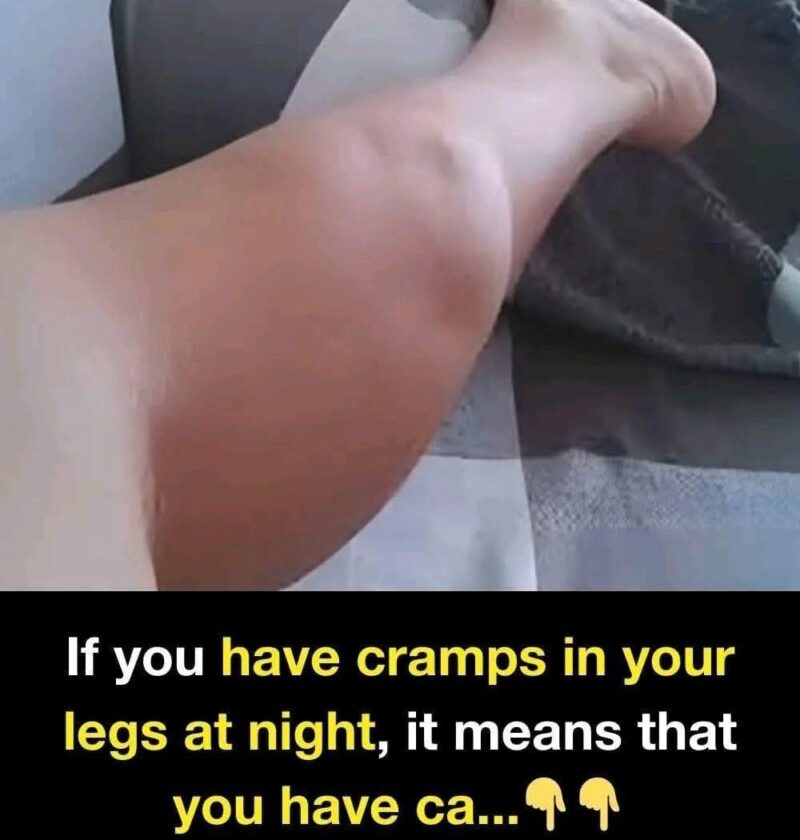
Who Is Most at Risk of Night Cramps? 🌙🦵
Night cramps (often called nocturnal leg cramps) are sudden, painful muscle contractions that commonly happen in the calves, feet, or thighs during sleep. They can last from a few seconds to several minutes and may leave the muscle feeling sore afterward.
They are common, and certain people are more likely to experience them.
1. Older Adults 👵👴
Risk increases with age.
Possible reasons:
- muscles naturally lose strength
- tendons become less flexible
- circulation and nerve function can change over time
Many people over 50 report more frequent nighttime cramps.
2. People Who Are Dehydrated 💧
Not drinking enough fluids can contribute to muscle problems.
Risk may increase with:
- heavy sweating
- hot weather
- intense exercise
- not replacing fluids
Try:
- drinking enough water through the day
- replacing fluids after heavy sweating
3. People Who Stand or Sit for Long Periods 🪑
Long periods of:
- standing
- sitting
- limited movement
may affect muscle fatigue and circulation.
Examples:
- desk workers
- people who stand all day
- long-distance travelers
4. People Who Exercise Hard or Suddenly Increase Activity 🏃
Muscles can cramp when they are tired or overloaded.
Common triggers:
- starting a new workout
- intense leg exercises
- exercising without proper conditioning
Helpful habits:
- warm up
- stretch gently
- increase activity gradually
5. Pregnant People 🤰
Leg cramps are common during pregnancy, especially later stages.
Possible reasons include:
- body changes
- increased pressure on muscles and nerves
- changes in circulation
6. People With Certain Medical Conditions
Night cramps may be more common with some conditions, including:
- diabetes-related nerve problems
- kidney disease
- circulation problems
- nerve disorders
- thyroid problems
7. People Taking Certain Medications 💊
Some medicines may be linked with muscle cramps in some people.
Examples can include:
- some diuretics (“water pills”)
- some medicines affecting electrolytes
Do not stop prescribed medication without medical advice.
8. People With Low Levels of Certain Minerals (Sometimes)
Minerals involved in muscle function include:
- magnesium
- potassium
- calcium
However, taking supplements does not automatically fix cramps unless a deficiency or specific need exists.
What To Do During a Night Cramp
Try:
- Gently stretch the cramped muscle.
- Pull your toes upward toward your body (for calf cramps).
- Massage the area.
- Stand and walk slowly if possible.
- Apply warmth if it helps relax the muscle.
Ways to Reduce the Chance of Cramps
✅ Stay hydrated
✅ Stretch calves before bed
✅ Keep active regularly
✅ Wear comfortable footwear
✅ Avoid sudden increases in exercise
✅ Maintain a balanced diet
When to Get Medical Advice
See a healthcare professional if cramps:
- happen very often
- are severe
- cause swelling or weakness
- are associated with numbness
- started after a new medication
- are affecting sleep regularly
Bottom Line
Night cramps are more common in older adults, people with dehydration, those with muscle fatigue, pregnant people, and some people with certain health conditions. Simple habits like hydration, gentle stretching, and regular movement can help many people.