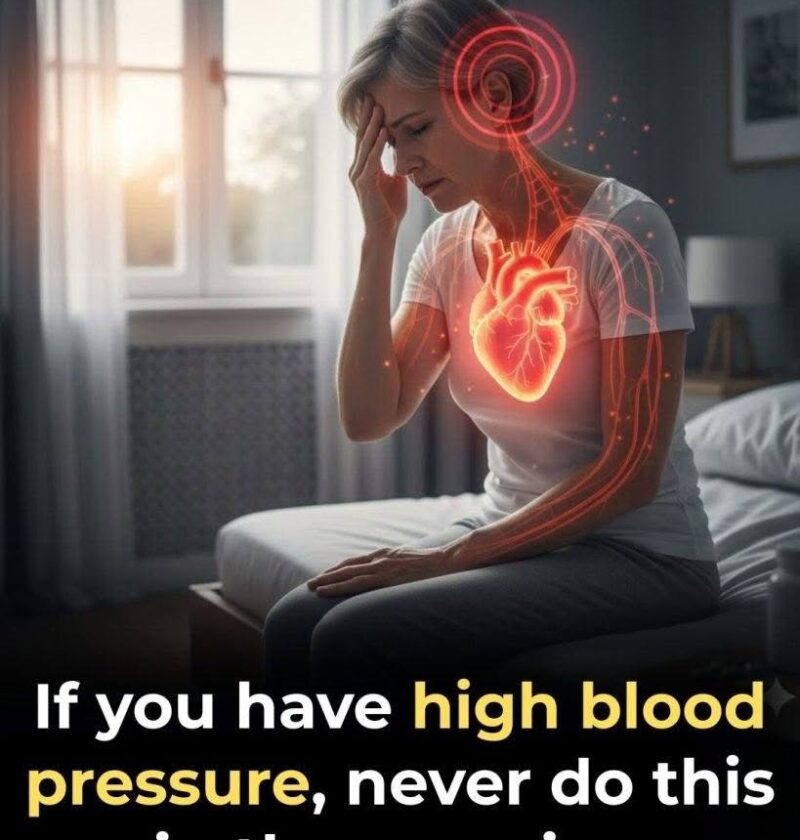
If You Have High Blood Pressure, Never Do These Things in the Morning
If you have high blood pressure (hypertension), your morning routine can affect your blood pressure readings and, in some cases, your cardiovascular health. Blood pressure naturally rises in the morning as your body prepares to wake up, so making healthy choices early in the day is important.
Here are some morning habits to avoid—and what to do instead.
1. Don’t Skip Your Blood Pressure Medication
One of the biggest mistakes is forgetting or intentionally skipping prescribed medication.
Why it matters
Many blood pressure medications are designed to:
- Keep blood pressure stable throughout the day
- Lower the risk of heart attack and stroke
- Protect the kidneys and other organs
Missing doses can allow blood pressure to rise, especially during the morning surge.
What to do
- Take your medication exactly as prescribed.
- If you often forget, use a pill organizer or set a daily reminder.
- Don’t stop or change your medication without speaking to your healthcare provider.
2. Don’t Jump Out of Bed Too Quickly
Standing up suddenly can cause a temporary drop in blood pressure, known as orthostatic hypotension, particularly if you take blood pressure medication.
Symptoms
- Dizziness
- Lightheadedness
- Blurred vision
- Feeling faint
What to do
- Sit on the edge of the bed for a minute before standing.
- Stand up slowly.
- Hold onto a stable surface if you feel unsteady.
3. Don’t Smoke
Nicotine causes blood vessels to narrow and temporarily raises blood pressure and heart rate.
Smoking also:
- Damages blood vessels
- Increases the risk of heart attack and stroke
- Makes hypertension more dangerous over time
If you smoke, quitting is one of the most effective ways to improve your cardiovascular health.
4. Don’t Eat a High-Sodium Breakfast
Many common breakfast foods contain large amounts of sodium, including:
- Processed meats (bacon, sausage)
- Instant noodles
- Packaged breakfast sandwiches
- Canned soups
- Some breakfast cereals
Too much sodium can contribute to higher blood pressure in many people.
Better choices
- Oatmeal with fruit
- Plain yogurt with berries
- Eggs with vegetables
- Whole-grain toast
- Fresh fruit
5. Don’t Drink Excessive Caffeine Without Knowing Its Effect
Coffee and other caffeinated beverages can cause a temporary increase in blood pressure, especially in people who don’t consume caffeine regularly.
This doesn’t mean everyone with hypertension needs to avoid coffee, but it’s worth discussing with your healthcare provider if your blood pressure is difficult to control.
6. Don’t Ignore Stress
Stress hormones released in the morning can contribute to temporary increases in blood pressure.
Helpful habits include:
- Gentle stretching
- A short walk
- Deep breathing
- Planning your day calmly instead of rushing
7. Don’t Measure Your Blood Pressure Incorrectly
An inaccurate reading can be misleading.
For the most reliable home measurement:
- Empty your bladder first.
- Avoid exercise, smoking, and caffeine for at least 30 minutes beforehand.
- Sit quietly for 5 minutes before measuring.
- Keep your back supported and feet flat on the floor.
- Rest your arm at heart level.
- Avoid talking during the measurement.
Taking two readings about one minute apart and averaging them can improve accuracy.
8. Don’t Ignore Warning Symptoms
Although high blood pressure often has no symptoms, seek immediate medical attention if you develop:
- Severe chest pain
- Sudden shortness of breath
- Sudden weakness or numbness on one side of the body
- Difficulty speaking
- Sudden vision changes
- A severe headache unlike your usual headaches
These could indicate a medical emergency such as a heart attack or stroke.
Healthy Morning Habits
A heart-healthy morning routine may include:
- Taking medications as prescribed
- Drinking water after waking
- Eating a balanced, low-sodium breakfast
- Engaging in light physical activity, if appropriate
- Managing stress
- Monitoring your blood pressure if your healthcare provider recommends it
Key Takeaways
If you have high blood pressure, there isn’t one thing you should “never” do every morning, but certain habits can make blood pressure harder to control. Skipping medication, smoking, consuming a high-sodium breakfast, rushing out of bed, and measuring blood pressure incorrectly are all avoidable factors. Consistent healthy habits, regular monitoring when advised, and following your healthcare provider’s treatment plan are the most effective ways to reduce the risk of complications from hypertension.